

The Most Popular Roofing Materials for Your Home
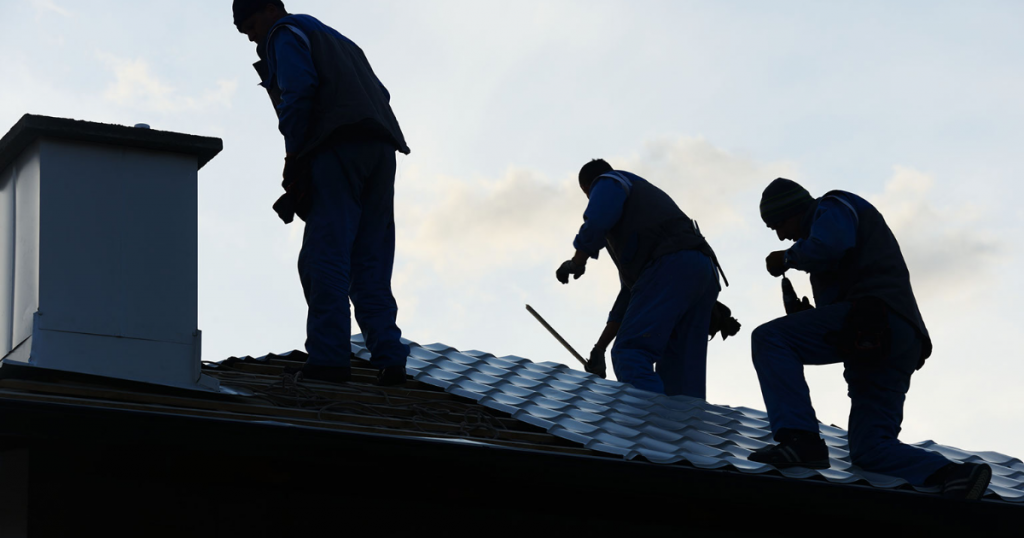
Choosing the right roofing material is one of the most important decisions you’ll make when replacing your roof. The ideal material should match your home’s style, perform well in your climate, and offer lasting durability against weather and wear. Below, we break down the most popular roofing materials used in residential construction today, explaining what makes each one a strong choice for your property.
Asphalt Shingles: Versatile & Cost‑Effective
Overview:
Asphalt shingles are the most widely used residential roofing material in North America due to their balance of performance, cost, and design flexibility. They are made from a fiberglass or organic mat coated with asphalt and protective mineral granules.
Why Homeowners Choose Them:
- Affordable compared to other roofing options
- Available in many colors and styles
- Suitable for most home designs
- Easy to install and repair
Performance:
Standard asphalt shingles typically last 20–30 years, while higher‑grade architectural shingles can reach 30–50 years with proper maintenance.
Ideal For: Most homeowners seeking a reliable, budget‑friendly roof with good curb appeal.
Wood Shingles and Shakes: Natural Beauty & Insulation
Overview:
Wood roofing — often cedar, pine, or redwood — provides a natural, rustic aesthetic. Wood shingles are sawn uniformly, while shakes are hand‑split for a textured look.
Why Homeowners Choose Them:
- Attractive, traditional appearance
- Natural insulating properties
- Unique character that evolves with weathering
Considerations:
Wood roofs generally require more maintenance than other materials and may need treatments to meet local fire codes. Always check local regulations before choosing wood roofing.
Ideal For: Homes with historic or classic architecture where aesthetic appeal is a priority.
Clay Tile Roofing: Long‑Lasting & Distinctive
Overview:
Clay tiles are crafted from baked earth materials, forming durable and visually striking roofing. They are especially popular in Mediterranean, Spanish, and Southwestern‑style homes.
Benefits:
- Exceptionally long lifespan (often 50–100+ years)
- Highly fire‑resistant and weather‑tough
- Eco‑friendly and recyclable
Considerations:
Because clay tiles are heavier than many other materials, your home’s structure must be evaluated by a professional before installation.
Ideal For: Architectural styles emphasizing classic, textured roofing with a long service life.
Metal Roofing: Durable & High‑Performance
Overview:
Metal roofs have become increasingly popular as a long‑lasting and low‑maintenance choice. Typical materials include aluminum, steel, and zinc, and they are available in standing seam panels or metal shingles that mimic other looks.
Why Homeowners Choose Metal:
- Outstanding resistance to wind, hail, and weather
- Reflective surfaces can improve energy efficiency
- Lightweight yet long‑lasting (often 40–70 + years)
Ideal For: Homeowners seeking maximum durability, energy savings, and low lifetime maintenance.
Slate Roofing: Premium Longevity & Elegance
Overview:
Slate is a natural stone roofing material prized for unparalleled durability and distinctive appearance. Slate roofs can last 75–150 years or more when properly installed.
Benefits:
- Exceptional fire resistance
- Minimal long‑term maintenance
- Timeless visual appeal
Considerations:
Slate is heavy and costly, requiring expert installation and potential structural reinforcement.
Ideal For: High‑end custom homes or homeowners prioritizing longevity and premium aesthetics.
Choosing the Right Roofing Material for Your Home
Selecting the right roof goes beyond aesthetics — it involves balancing cost, climate, durability, maintenance needs, and architectural style. Asphalt shingles remain the most popular choice for their affordability and broad compatibility, while materials like metal, clay tile, and slate offer structured benefits that may better suit long‑term goals and specific climates.
For help choosing and installing the best roofing option for your home, consult with a qualified roofing contractor who can assess local weather patterns, your home’s structure, and your design preferences.
Frequently Asked Questions About Roofing Materials
1. What is the most common roofing material for homes?
Asphalt shingles are the most popular roofing material in North America. They are affordable, versatile, and easy to install, making them a reliable choice for most residential properties.
2. How long do different roofing materials last?
- Asphalt shingles: 20–50 years (depending on quality)
- Wood shingles/shakes: 25–40 years with proper maintenance
- Clay or concrete tiles: 50–100+ years
- Metal roofing: 40–70+ years
- Slate roofing: 75–150+ years
3. Which roofing material is best for extreme weather?
Metal roofs are highly durable in wind, hail, and heavy rain. Clay tiles are also excellent in hot, dry climates, and slate offers exceptional protection in almost any weather.
4. Are some roofing materials more energy-efficient than others?
Yes. Metal roofing and lighter-colored clay or concrete tiles reflect sunlight, helping reduce cooling costs. Asphalt shingles with reflective granules can also improve energy efficiency.
5. What roofing material requires the least maintenance?
Slate and metal roofs are typically low-maintenance. Asphalt shingles are easy to repair but may require more regular inspection, while wood shingles need treatment and upkeep to prevent rot or insect damage.
6. Can I mix different roofing materials on my home?
It’s possible to use combinations, such as metal accents with asphalt shingles, but structural and warranty considerations must be evaluated by a professional roofing contractor.
7. How do I choose the right roofing material for my home?
Consider your home’s architectural style, your local climate, your budget, and your long-term goals. Consulting a licensed roofing contractor can help you select a material that balances aesthetics, durability, and cost.